
Some questions shouldn’t wait for an instrument purchase.
Our contract testing programmes run your fasteners on the same Vibrationmaster instruments trusted by laboratories worldwide — standardised Junker vibration testing to DIN 65151, DIN 25201-4 and ISO 16130, with results you can put in front of a customer, a certification body or your own engineering review.
You send fasteners. We send answers.
What we test
Locking elements of every kind: wedge lock washers, ribbed and serrated flange elements, prevailing torque nuts, coatings and thread geometries — screws, bolts and nuts across the Desktop Series fastener range. Comparative programmes answer the question these tests exist for: which locking element performs best, under identical, repeatable, standardised conditions.
How a contract test programme runs
We begin where every Vibrationmaster conversation begins: with your engineering question. From it, we define the test programme together — standard, fastener sizes, preload levels, number of tests. For DIN 25201-4, statistical validity is part of the standard itself, and we test accordingly.
Every test then follows the same fixed sequence. Tightening: torque against clamping force, recorded through the full tightening curve, with the total friction coefficient µtot and the K nut factor calculated for every fastener. The dynamic vibration test: transverse loading under the chosen standard, with the loosening curve recorded as clamping force against cycles. Untightening: the untightening torque, completing the picture of what the vibration has done to the joint.
What you receive
An engineering-grade report: the tightening curves, µtot and K nut factor per fastener, the loosening curves, residual clamping force, untightening torque, and a like-for-like comparison across every element tested. Data delivered in formats your engineers can work with — not just read.
Who tests with us
Fastener and locking element manufacturers proving performance for customers and marketing claims. Design engineers selecting a locking element with evidence instead of catalogue promises. Quality organisations verifying supplier claims before they reach the production line.
When testing becomes routine
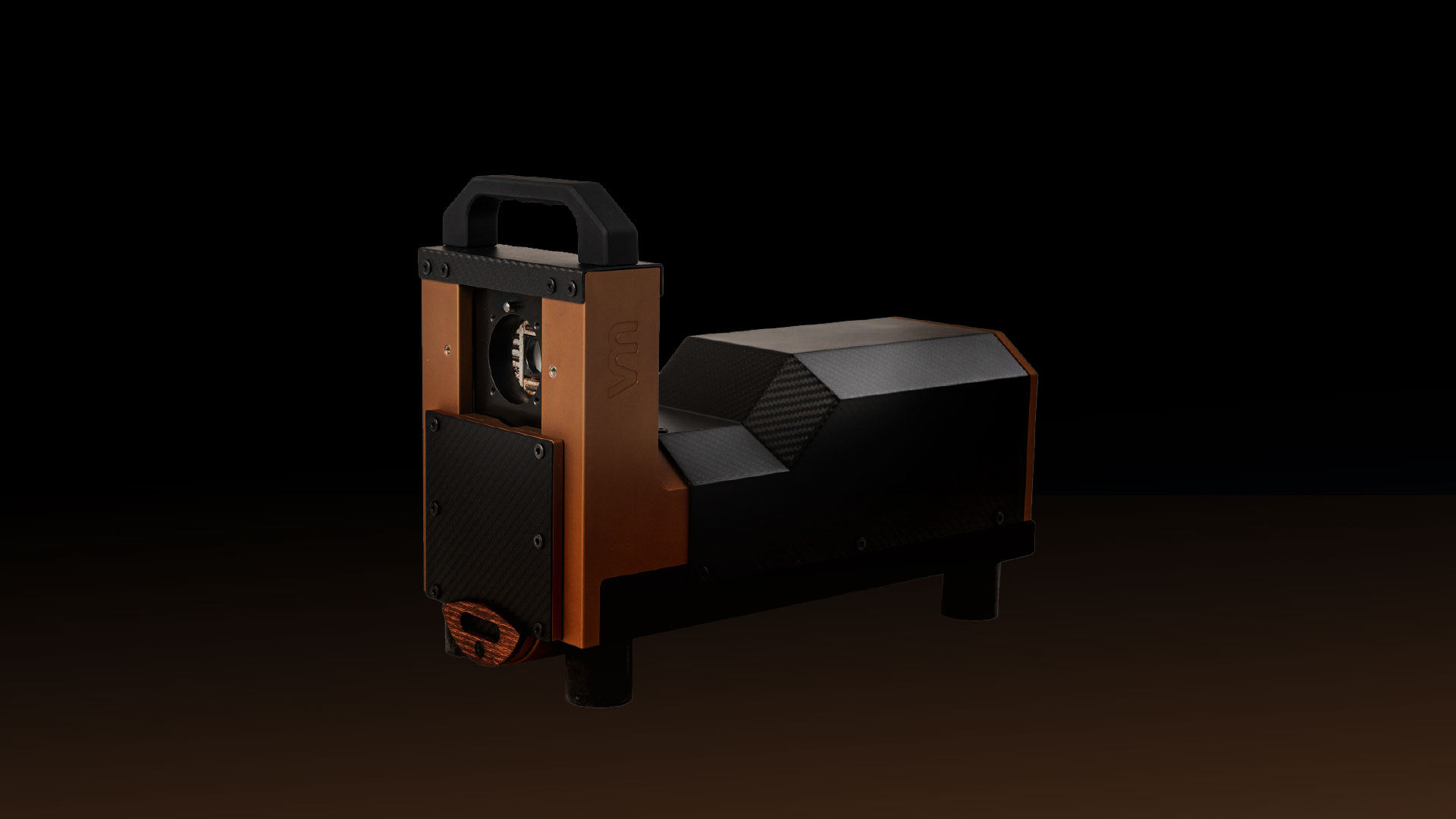
Many contract testing customers reach the same conclusion: the questions keep coming. When they do, the instruments your tests already run on — the J123 and J161 — move in beside your own desk, and your team carries on where our programme ends.
Desktop Series

Beyond the standard
Some questions outgrow standardised comparison. Adhesive threadlockers, whose joints only exist once cured inside the assembly. Real joints under real loads. For these, testing continues on the R-Series — where the Vibrationmaster Universal Specimen Carrier lets joints cure away from the platform, and validation runs on your actual parts.
R-Series
Tell us about your fasteners and the question they're asking. We'll guide you to the programme that answers it.
Start the conversation